


Blog | 11 September 2026
Diaphragm Wall Construction Service: Benefits and Applications
In today’s construction projects, having robust foundation and retaining systems are crucial particularly in deep excavation works. Many construction sites are located in urban areas where other buildings, roads, utilities, and structures are already around a site. In these cases, the selection of the appropriate excavation and retaining method is crucial to ensure that the structure remains stable and safe.
Diaphragm wall is a wall of reinforced concrete built below ground level. It is primarily used for soil stabilization and holding during deep excavation. After construction, it can be integrated into the permanent structure as well. Diaphragm walls are utilized in a variety of construction projects including basements, metro subway stations, tunnels, commercial, industrial, and other civil works projects because they are strong and versatile.
With the help of the Professional diaphragm wall construction service, each step of the work can be planned and executed properly. Site preparation, excavation, reinforcement placement, and concretions are all critical processes that require attention.
What is a Diaphragm Wall?
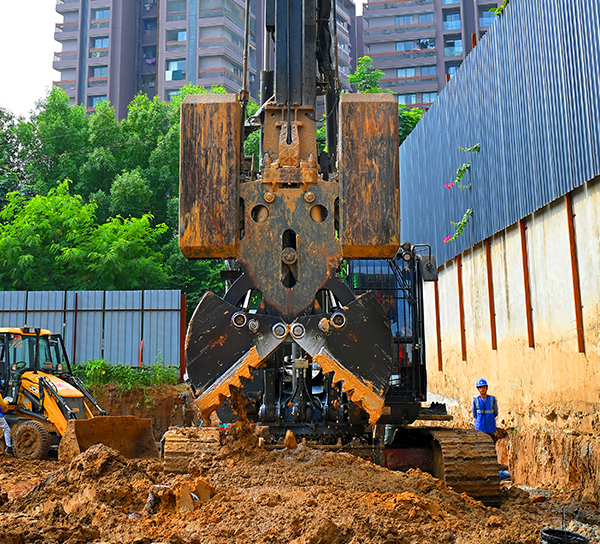
Diaphragm wall is a wall, which is made of reinforced concrete and placed underground, normally in segments or panels. A deep trench is excavated using special machinery, based on the specifications of the walls to be constructed.
During excavation, a stabilizing slurry may be used to prevent the sides of the trench from collapsing. When the required depth is reached, the excavation is cleaned out and a reinforcement cage is inserted into the excavation trench. After that, the concrete is poured to create the wall panel.
These panels are built side-by-side, joined to form a single underground wall.
Various factors determine the thickness and depth of the diaphragm wall, such as soil conditions, the depth of the excavation, groundwater level, structural loads, and requirements of the project.
How is Diaphragm Wall Constructed?
There are several steps in the diaphragm wall construction process. Throughout the process, proper coordination is necessary between the engineer, equipment operator, supervisor, and workers.
Site Preparation
The first step is to get the construction site ready. The site is surveyed to determine the ground conditions, working space, access to surrounding buildings, underground utilities, and construction equipment access. A guide wall is typically built on the intended path. It ensures proper positioning of the excavated area and guidance of the construction machinery.
Panel Excavation
The wall is built in panels. Specialized excavation equipment is used to excavate each section to the required depth. Slurry may be used to stabilize the trenches during excavation. It is used to prevent the soil around the excavation from falling down.
Excavation Cleaning
After reaching the required depth, the panel is checked and cleaned. Debris and excess material is cleared from the bottom of excavation. Proper cleaning is important because the condition of the excavation can affect the quality of the completed wall.
Reinforcement Cage Installation
A reinforcement cage is made as per the structural design and is carefully positioned in the excavated panel. The cage must be properly placed to ensure the appropriate concrete cover and reinforcement layout.
Concrete Placement
Appropriate concreting method used to place concrete in the panel. The process is closely monitored to ensure that the concrete is properly placed in the excavation. It is crucial that the concrete is placed correctly to provide the necessary strength and durability to the wall.
Panel Joint Formation
Individual panels are connected to create a continuous wall. Joints on panels are carefully considered as concerns the overall performance of the structure and their effect on the water resistance of the structure.
Quality Inspection
Once the work is completed, it is checked for alignment, size, reinforcement, quality of concrete, etc., for construction requirements. By performing regular inspections during the construction process, potential problems are spotted early and the quality of the build is ensured.
Benefits of Diaphragm Wall Construction
Diaphragm walls have a number of benefits in deep excavation and underground construction.
Strong Soil Retention
The significant advantage is the reinforcement offered by the concrete structure. If the diaphragm wall is properly designed, it can be used to resist lateral earth pressure and prevent the surrounding soil from flowing out. This is ideal for projects with deep excavation requirements.
Suitable for Deep Excavation
Diaphragm walls are especially beneficial in cases where the project involves deep excavation. They can be designed as required depth and structural conditions. They are used for an underground parking, deep basements, metro stations, tunnels, etc. and are generally regarded as suitable for such underground structures.
Helps Reduce Ground Movement
When excavation is done, adjacent soil can move. This may be a problem if construction is located near existing structures or infrastructure. Good design of the retaining wall will help to control soil movement and improve stability in the excavation area.
Suitable for Urban Construction
Construction sites are small in urban areas. Buildings and roads could be very close to the Project boundary. A diaphragm wall can create a defined excavation boundary and make better use of the available space.
Groundwater Control
Groundwater may be a factor in deep excavation. When designed and constructed appropriately, diaphragm walls may be used to restrict groundwater flow into the excavation. The specific method of controlling the ground will vary based on the ground conditions, the depth of groundwater, the type of wall to be constructed, and the project’s needs.
Part of the Permanent Structure
Another benefit is that a diaphragm wall can be used for both temporary and permanent uses. Once excavated and structures in place, the wall may be left in the basement and/or underground to support the structure, depending on the engineering design.
Applications of Diaphragm Walls
A diaphragm wall can be applied to a variety of projects.
Basement Construction
One of the most common applications is deep basements. The buildings can be required to have spaces for parking underground, storage areas, areas for utilities, commercial areas, and other facilities. A basement diaphragm wall can be used to prevent the surrounding soil from shifting during excavation, and can also be incorporated into the finished basement.
Metro Projects
Metro stations often require deep underground excavation in crowded urban areas. Diaphragm walls may be provided for a stable boundary around the excavation site. They may also be used for underground stations, shafts, access structures, and other parts of metro construction.
Tunnel Construction
Underground structures and tunnels might need robust retaining structures. Diaphragm walls may be used for tunnel entrances, shafts, station areas and other areas where deep excavation is needed.
Commercial Buildings
Many large commercial building projects have several levels in the basement. A diaphragm wall can be used to provide a stable excavation area and to maximize the use of limited site space.
Industrial Projects
Underground tanks, deep structures, foundations or other excavations may be necessary for industrial facilities. Diaphragm walls may be helpful when soil control and groundwater control is a concern.
Infrastructure Development
Depending on the requirements of the engineering project, diaphragm wall construction can also be used for large infrastructure projects such as underground utilities, transport structures, bridges, water-related infrastructure etc.
Diaphragm Wall Construction in India
Construction conditions can different from one location to another. The construction method depends on soil type, water table, and climate, access to the site, the depth to be excavated and structures in the vicinity of the excavation.
Diaphragm wall construction in India is used for residential, commercial, industrial, and infrastructure projects where deep excavation and soil retention are required.
However, working in urban areas may bring other difficulties, as the building may be situated near other buildings and congestive roads. In cases where deep foundation systems are needed in conjunction with other construction works, a piling company in India may also be engaged in foundation related work.
Factors to Consider Before Starting a Project
Before starting diaphragm wall construction, several factors should be considered.
Soil Investigation
Understanding the soil profile is important for selecting the appropriate excavation and construction method. The stability of excavations, equipment type and slurry requirements depend on soil conditions.
Groundwater Conditions
The groundwater level should be considered during project planning. High groundwater levels can create additional challenges during deep excavation.
Excavation Depth
The dimensions, reinforcement, equipment needed and construction methods are affected by the required excavation depth.
Wall Thickness
The thickness of the wall is determined based on the requirements of structure, soil pressure, excavation conditions and engineering calculation.
Site Access
Construction machinery tends to be very large and needs proper space for moving and operating. Before mobilizing equipment, site access should be considered.
Construction Sequence
The sequence of the panels, excavation procedure, reinforcement installation and concrete pouring should be well managed to ensure stability and efficiency in construction.
Importance of Skilled Construction Teams
The construction of a diaphragm wall is a technological process. You must have the right equipment but you also need the right people.
Excavation depth, dimensions of panels, slurry condition, reinforcement placement, concrete placement and more are important activities to keep track of monitored by engineers and supervisors.
In addition, if the construction involves any of these piling methods, a dependable piling service provider can provide experience in foundational construction.
At Bhagwati Machinery, the focus is on suitable construction methods, proper planning, modern machinery, experienced technical teams, quality checks, and safe project execution.
Ground Anchor Systems and Diaphragm Walls
In some deep excavation projects, other measures may be needed to ensure the stability of the retaining structure. The choice of the method is determined by depth of excavation, soil properties, wall design, space availability, and structural needs.
In appropriate projects, ground anchor systems can be used to provide extra reinforcement for retaining systems. The use of these depends on engineering design and site conditions.
The selection of appropriate retaining and foundation techniques should always be based on the correct site investigation and structural planning.
Why Choose Bhagwati Machinery?
Bhagwati Machinery offers the best solutions in foundation engineering and diaphragm wall construction for various project demands. Quality workmanship, safe practices, well-planned, appropriate equipment, and timely project completion are areas of concern for the team.
Construction techniques are chosen based on site specific needs instead of generic selection. Planning is based on site conditions, excavation depth, soil characteristics, project design, working space and surrounding structures.
When working on projects that demand deep excavation and retaining measures, selecting an experienced diaphragm wall construction contractor in India may help to provide improved coordination and workflow.
Conclusion
Diaphragm walls are an effective solution for projects that demand deep excavation, soil containment, groundwater control and underground construction.
They can be used for basements, metro stations, tunnels, commercial buildings, industrial facilities, and major infrastructure projects. They are strong, and flexible enough for use in narrow urban environments on many modern building needs.
Diaphragm walls are an effective solution for projects that demand deep excavation, soil containment, groundwater control and underground construction.
They can be used for basements, metro stations, tunnels, commercial buildings, industrial facilities, and major infrastructure projects. They are strong, reliable and can be used in tight spaces within urban environments, which is very suitable for many modern construction needs.
Urban construction is rapidly expanding and underground space is becoming more valuable. When a diaphragm wall construction company is needed, Bhagwati Machinery prioritizes practical construction techniques, appropriate equipment, quality work, and a safe execution of the project.
For any diaphragm wall construction project please contact us at +91 98793 02088 or sales@bhagwatidiaphragm.com and we will discuss the project with you.
FAQs about Diaphragm Wall Construction Service
What Is a Diaphragm Wall?
A diaphragm wall is a panel-made reinforced concrete underground wall. It is primarily used to provide soil retention, stability, and protection during deep excavation.
Where Are Diaphragm Walls Used?
Diaphragm walls are commonly used for deep basements, metro stations, tunnels, commercial buildings, industrial projects, underground structures, and infrastructure developments.
What Are the Major Advantages of Diaphragm Walls?
The major benefits include soil retention, suitability for deep excavation, ground movement control, reduced disturbance, groundwater control, and the ability to incorporate the wall into a permanent structure.
What Is a Basement Diaphragm Wall in India?
A basement diaphragm wall is a vertical wall constructed around or as part of a basement excavation. It helps retain the surrounding soil and can also form part of the finished basement structure.
What Is the Process of Building a Diaphragm Wall?
The process generally involves site preparation, guide wall construction, panel excavation, slurry management, cleaning of the excavated trench, reinforcement cage installation, concrete pouring, panel connection, and quality inspection.
Why Is Slurry Required During Excavation?
Slurry helps stabilize the excavated trench and minimizes the risk of soil sides collapsing before the reinforcement cage and concrete are installed.
What Equipment Is Required for Diaphragm Wall Construction?
Specialized excavation machinery, cranes, reinforcement handling equipment, slurry systems, concrete placing equipment, and other suitable machinery may be required depending on the project requirements.