Residential complexes that have multiple buildings and commercial complexes that have numerous shops and offices are now feature of all cities that are growing rapidly in India. These modern-day buildings feature high-rise basements set deep in the ground to serve a variety of purposes. Deep basements need diaphragm walls in order to make sure they can be built with a strong foundation.
Learn more what advantages of concrete diaphragm wall construction that allows for deep basements of all kinds of contemporary structures.
What is Diaphragm Wall Construction?
Diaphragm walls can be described as reinforced concrete walls that can be constructed to create deep basements within the earth. The under-slurry method that requires digging a narrow trench is utilized to construct walls. Walls with the thickness of 300mm to 1200 mm are built in as much as 45 m beneath for the subsequent phase of excavation that will be carried out.
Benefits to Diaphragm Wall Construction
Build Basements with Great Depth
An increasing population will mean higher and more expansive commercial and residential structures, which need parking spaces that are comparable. Basement parking spaces are the excellent solution to this. The basements of the past were constructed up to three floors using piling. However, with the diaphragm wall construction, builders are building basements that are as deep as five levels.
The reason for this is that piling could make joints more crowded may cause alignment problems and could cause leaks, however, a deep basement diaphragm wall provide a sturdy foundation and also provide protection walls for basements.
More parking spaces is a sign that these residential and commercial property will be in greater need than properties that have less or no parking spaces. With the rapid growth of urban areas there is a need for parking that has been an important factor in the selection process for tenants, buyers, as well as investors. Homes that have plenty of parking in the basement provide comfort, improved security for the traffic inside and a greater overall worth.
Furthermore, well-planned basement parking helps reduce traffic congestion as well as increases security and improves the utilization of land within crowded urban areas. In commercial buildings, it will ensure a smoother flow of customers and more business opportunities when it comes to residential properties, they add security and a long-term appeal to investment.
Construction Creates Low Vibration Levels
One of the main benefits diaphragm wall construction is the fact that their structure results in less vibrations to the ground, which reduces the possibility of damaging the structures that are nearby. In open excavation, you must use large machinery such as earthmovers, drilling equipment and others, which could affect the foundation of the entire soil in the area and expose nearby buildings at risk of massive or irreparable damage.
It’s among the many reasons that make Bhagwati Machinery is the best diaphragm wall construction company in India.
Concrete Diaphragms Walls Can Serve As Water-Proofing Walls Too
The level of water in the soils in different regions of India is varying from very low to moderate. When the structure becomes deeper, pressure of water can rise and result in damages to the basement structure. Diaphragm walls made of concrete can serve as effective barriers against the pressure of water, due to the water bars as well as crystallized compound that is used within the mixture.
If you live in areas with high levels of water table, our experts recommend that developers hire a reputable waterproofing agency on board so that there’s zero room for errors in the design and construction of the building. A solid waterproofing system is essential for deep basement construction because continuous pressure from hydrostatic forces may cause leakage or structural damages, as well as expensive repairs if they are not dealt with correctly from the start.
Safety of the Structure As Well As the Human Resources
Security is among the most important benefits of building diaphragm walls. It is first and foremost secure for those who are involved during the building of a basement that is deep. Because diaphragm wall construction involves the digging of a narrow trench as opposed to an open excavation, the chance of soil or wall falling down is almost non-existent. This means that workers can be confident and effective when they construct deeper basements.
Another reason is that diaphragm walls form a strong base for superstructures, assuring the safety of individuals who will be living or working within these structures. The high rigidity and load bearing capacity allow the efficient transfer of the vertical and lateral load to the ground. This makes them ideal for large-scale buildings as well as high-rise commercial complexes.
Qualitative Structure
The modern buildings with basements that have diaphragm walls are much stronger than those constructed using piling techniques. Piling needs a retaining wall constructed to support it, diaphragm walls serve as a wall for retaining and an integral part of the structure.
If you’re looking for a reliable piling company in India, you must be crucial to pick experienced contractors that are knowledgeable about the soil, foundation designs and the latest construction methods for long-term structural safety as well as performance.
Conclusion
There are numerous benefits of diaphragm walls being utilized for deep basement construction. With the popularity of diaphragm wall technology used in modern construction, many builders may think about building basements that are deeper to accommodate the growing demands for space in commercial as well as residential construction projects. The technology is a great advantages to allow such projects to occur in the near future.
By integrating diaphragm walls and advanced ground anchor systems making more secure and deeper basements isn’t just possible but also highly effective for the further infrastructure developments.
Mastering the art of creating diaphragm wall construction is a crucial skill to master in civil engineering, specifically in the case of complex construction projects. This method, praised because of its durability, flexibility and versatility, is often employed in excavation projects for foundations that are deep as well as underground structures and walls for retaining. In this post, we’ll explore the many methods, benefits as well as the best practices that go along with diaphragm wall construction in India.
Strategies and Benefits of Diaphragm Wall Construction
Diaphragm wall construction involves digging a trench before installing a set of interlocking concrete slabs. The method is increasingly sought-after across India because of its efficiency across a variety of building initiatives. The panels serve as the structure for retaining and as the design to construct the wall. This method has numerous advantages that include a large capacity for load bearing, a less area of excavation, as well as the capability to endure a lot of the pressure of water.
For a successful performance at the top of diaphragm wall construction in India, Engineers require an in-depth knowledge of the design process along with construction techniques as well as quality control methods. This blog will give comprehensive information on crucial aspects such as panel installation, waterproofing techniques and concrete installation.
If you’re an experienced engineer or are just beginning your journey on the job, this blog will provide readers with the necessary knowledge to succeed in the field of diaphragm wall engineering. We will explore techniques that techniques, advantages and the best methods that will help you achieve success within this highly specialized field.
The Growing Relevance of Diaphragm Walls
Within the field of construction diaphragm walls have been important, specifically for projects that involve deep excavations subterranean structures, as well as wall retaining. The specially-designed concrete walls are admired for their capacity to offer strong stabilization and strength in tough soil conditions.
The primary reason behind the growing popularity of diaphragm wall technologies in India is the effectiveness they provide for areas that have high water table levels, low soil quality or unstable geological structures. Diaphragm walls are constructed to hold the earth around them and therefore prevent soil movement or collapse. This makes them essential for foundations with deep depths as well as basement levels and other underground structures in which traditional strategies fail.
In conjunction with the latest ground anchor systems, total stability and strength of the structure is significantly increased, making it better and longer-lasting underground construction options.
Engineers build diaphragm walls designed to take on significant loads lateral to them which makes them suitable for construction projects with large load bearing capacities like high-rise buildings, bridges, or transportation infrastructure. They provide strength, structural stability as well as load-bearing capability to guarantee the safety and durability of large-scale structures.
Best Techniques for Diaphragm Wall Construction
In order to ensure a successful diaphragm walls construction adhere to the most effective techniques is crucial. These practices, refined through years of experience in the industry, include:
Comprehensive Site Assessment: Before beginning construction, you must conduct an extensive site assessment as well as a geotechnical analysis to determine the soil condition such as groundwater levels, other elements that affect the construction and design on the wall diaphragm.
Specific Plan and Design: Designing a diaphragm wall requires skilled engineers to plan the dimensions, reinforcements and concrete mix in order to satisfy the safety and performance requirements.
A Strict Quality Control: Implement strict quality control procedures throughout the building process. This includes periodic inspections, testing of materials as well as adherence to procedures for construction.
Continuous Monitoring and Maintenance: After completion, keep a plan of surveillance for the wall’s efficiency and safety. Include regular inspections and repairs.
Collaboration Communication: Effective coordination between the construction team, civil engineers as well as project managers is vital to an efficient construction.
Following these top practices professional can ensure that diaphragm wall construction can be completed efficiently while also adhering at a high standard by working with a best diaphragm wall service provider who is committed to excellence accuracy, speed and prompt construction execution.
Solutions to Challenges in Diaphragm Wall Construction
Diaphragm walls have many benefits, they also bring problems that need to be addressed efficiently. The most common issues are:
Soil and Groundwater Condition: Designing to withstand specific sites with low water tables or difficult soils can be a challenge. Solutions could require specialized methods of excavation and drainage systems.
Accessibility and Space Constraints: In urban areas that have limited available space, installing small-sized equipment as well as optimizing plans for construction will help to overcome accessibility issues.
Structural Integrity and Durability: Ensuring longevity of the wall strength requires high-end materials and strict quality-control measures.
Environmental Impact: Address issues with the environment, such as vibrations and noises through the use of equipment to reduce noise, and environmentally sustainable design methods.
In anticipating the challenges ahead and adopting effective solutions, construction professionals can handle basement diaphragm wall in India projects. They can also meet the requirements of their clients as well as other stakeholders. By relying on the reliable help and innovative construction solutions that are provided by Bhagwati Machinery, projects will be more efficient as well as structural stability and speedy finalization.
Conclusion
Learning the techniques for building diaphragm wall construction in India is vital for success in civil engineering work. When following the most effective guidelines, contractors and engineers have the ability to overcome obstacles and get outstanding outcomes. Working with a reputable piling company in India can further improve projects by offering high-end foundations, technical expertise and the highest quality standards.
As the industry of construction evolves, it is essential to stay informed about developments and keeping knowledge is essential to success in the future.
Before getting into diaphragm wall construction steps let’s know more information about diaphragm wall construction. These are crucial components of numerous civil engineering works. They give structure stability and strength required when digging in depth. An understanding of the different techniques employed when building diaphragm walls is crucial for construction workers, engineers and contractors and other stakeholders.
This comprehensive guide, we will go over how to construct the diaphragm wall construction steps, and emphasize their significance and the intricateness.
Preliminary Investigations and Design
Before beginning diaphragm wall construction, thorough initial investigations are made to determine the soil’s the conditions and groundwater level and the structural needs. Geotechnical surveys, soil tests as well as structural analyses are conducted to establish the most suitable design parameters that will be used for building the diaphragm. The factors like the depth of excavations, earth pressures lateral to the lateral and constraints on the site will be considered in the planning phase in order to assure the strength and stability of the structure.
Site Preparation and Excavation
The site for construction is cleared by clearing the vegetation, trash and other obstructions which could hinder excavation work. Access roads as well as temporary structures for support are constructed to ease construction equipment and moving of construction workers.
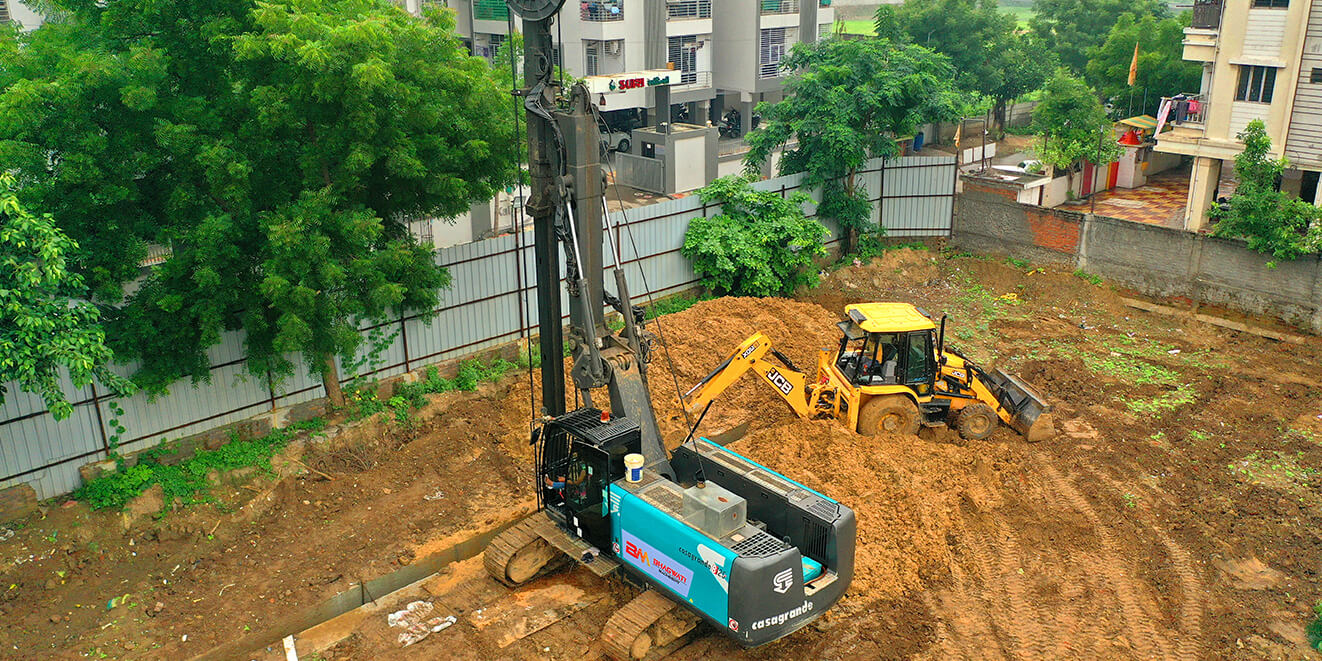
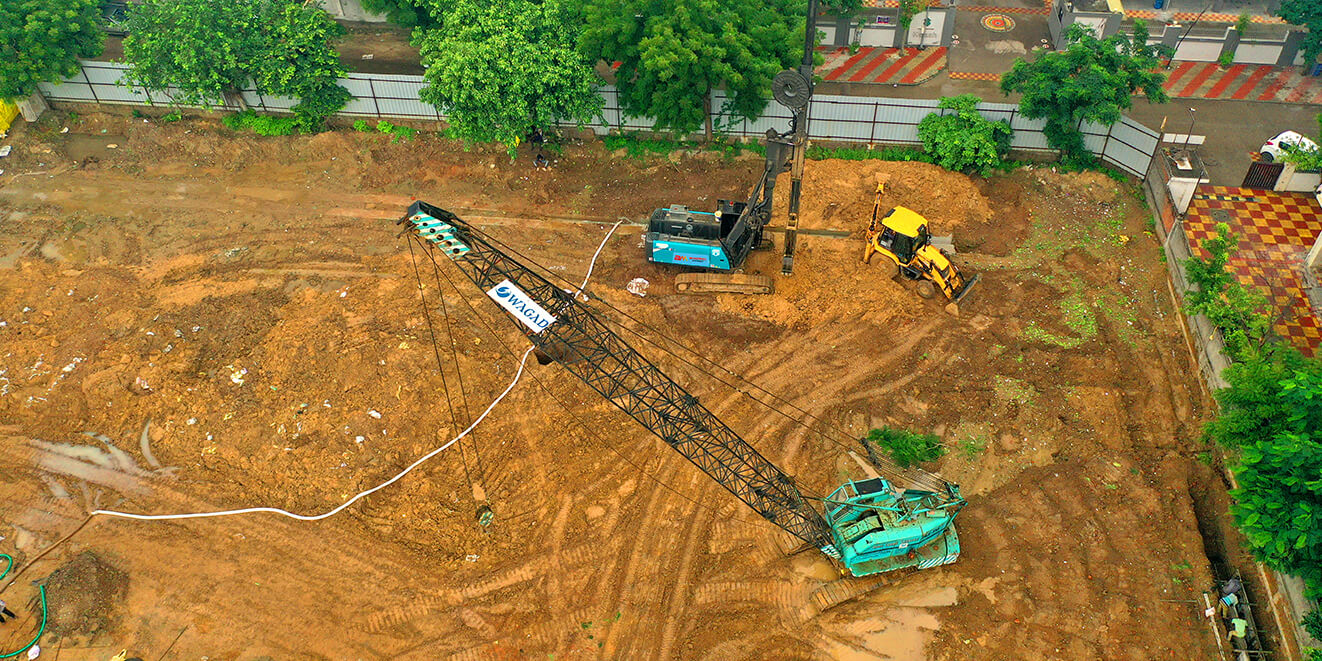
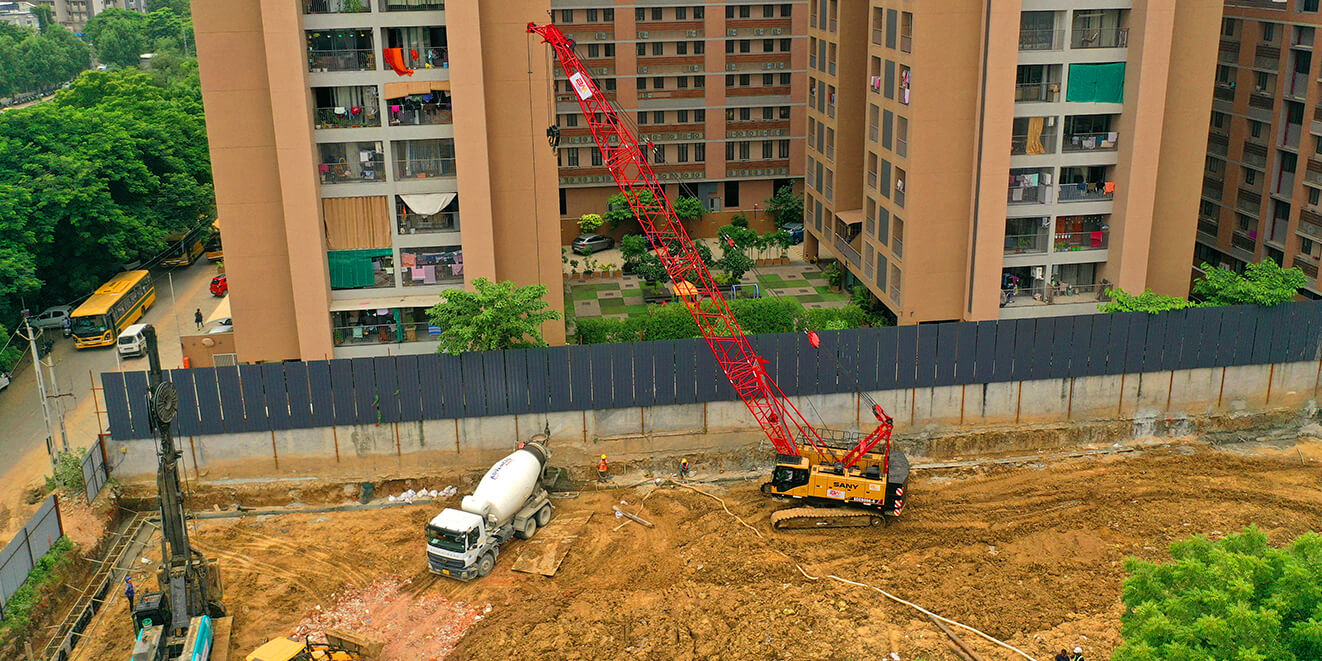
The excavation for the diaphragm wall trench starts with specialized equipment like hydraulic grabs and the clamshells that are mounted on crawler cranes. The trench’s dimensions are adjusted to ensure that the trench is in line with requirements of the design, such as length, width and even verticality. This is done in a precise and expert manner through a skilled diaphragm wall construction company.
Slurry Installation and Trench Stabilization
When excavation is progressing, the bentonite slurry constantly circulated in the trench, which helps to hold the surrounding soil and stop it from collapsing. It acts as a support fluid creating hydrostatic pressure on the wall of the trench to ensure its stability throughout excavation. The density and composition of the slurry must be closely monitored to guarantee optimal trench stability as well as to avoid flooding of groundwater in the trench.
Reinforcement Cage Installation
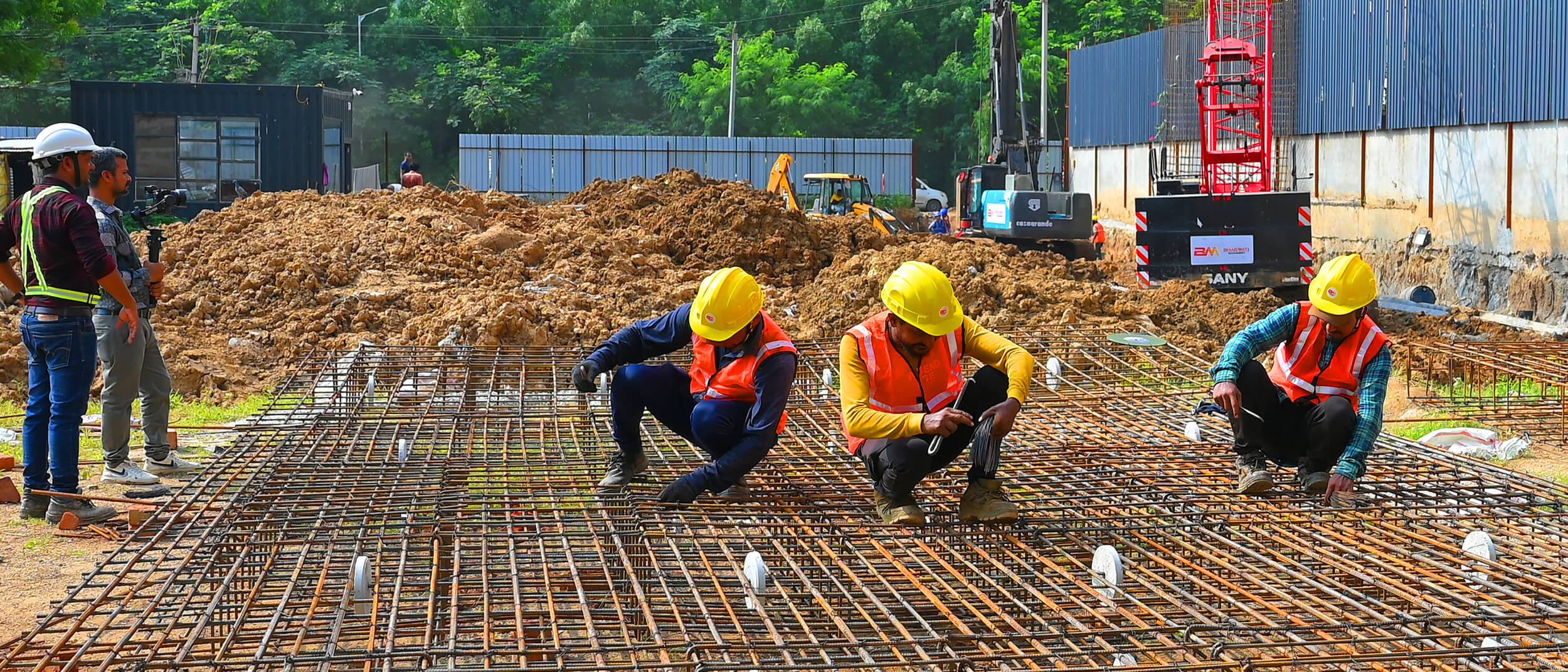
When the trench is at the desired depth, the steel reinforcement cages can be lowered into place. They are usually made of vertical and horizontal reinforcement bars, offer strength and structural stability to the basement diaphragm wall. The spacing and configuration of reinforcement bars are crafted to be able to handle the anticipated load as well as lateral earth pressures, as well as ensure proper embedding in the concrete.
Concrete Placement
After the reinforcement cages are their place, concrete installation begins with the use of specialized equipment, such as the tremie pipe or bottom-up methods. The concrete is and carefully poured in the trench from top down, dislodging bentonite slurry, and making sure that it is uniform in coverage of the entire trench. Vibrators can be utilized to strengthen the concrete and remove voids to ensure proper bonding between reinforcement bars and the concrete.
Panel Construction and Joint Formation
Diaphragm walls typically are made up of individual panels using construction joints between adjacent panels to make one continuous wall. Once the concrete is cured sufficient, the excavation is resumed to build the next section. Joints for construction are constructed to ensure that the bond is properly between the adjacent panels. This is usually done through roughening the concrete’s surface before using bonding agents or interlocking keys.
Quality Control and Testing
Through the diaphragm wall construction steps, strict quality control procedures are used to evaluate the components, techniques for construction and structural efficiency. Testing methods that are non-destructive, like ultrasonic testing integrity tests, as well as cross-hole sonic logging can be used to test the strength and integrity of the diaphragm’s wall. Defects and deviations will be quickly identified and rectified in order to make sure the design is in line with the specifications of the manufacturer and safety requirements.
Backfilling and Completion
After all the panels of the diaphragm wall are built and tested, backfilling processes begin to fill in the space within the wall. The backfill material to be used is selected in accordance with engineering standards as well as environmental factors, which ensure sufficient drainage and compacting in order to reduce pressures along the wall.
Following the completion of backfilling landscaping and restoration of the surface actions are performed to restore the site of construction in its initial condition. Expert piling contractors ensure that all finishing works are completed efficiently and in compliance with the standards of quality and specifications for the project.
Conclusion
Diaphragm wall construction steps require a number of exact actions that aim to achieve the structural integrity, stability and efficiency in deep excavation construction projects. From initial investigations to design to concrete installation and quality monitoring, each process plays a vital element in ensuring the successful completion of diaphragm wall construction projects.
When adhering to the most effective techniques, utilizing the latest construction methods and placing a high priority on the safety of their workers and ensuring quality, engineers and contractors are able to guarantee the speedy and effective completion of diaphragm wall constructions which meet the requirements of today’s infrastructure developments. Integration of ground anchor systems improves the structural stability as well as capacity to bear loads, ensuring vital support for excavations in deep and structures that are retaining in complicated construction tasks.
Bhagwati Machinery expertise in supplying top-quality concrete to construction projects and the process through diaphragm wall construction is fortified by the reliability and effectiveness. Through seamlessly Bhagwati Machinery’s top quality concrete with the intricate procedures in diaphragm wall construction in India engineers and contractors can improve their structural strength, guarantee durability, and improve efficiency in digging deep.