The complexity of the construction projects is gradually increasing with the growing cities. These days, foundation systems are a necessity for every builder when it comes to large structures, such as a high-rise building, a metro station, a commercial complex, an underground parking area and more. When construction is taking place in busy urban environments, safety and stability are even more critical, as sites are usually located near existing buildings and roads.
This is where diaphragm walls play an important role. A deep reinforced concrete wall that is constructed underground to support the excavation process and prevent the soil erosion. It helps in establishing a stable and solid base during construction, and prevents damage to nearby buildings.
Due to the rapid urbanization in recent years, the demand for diaphragm wall construction in India has also increased. Today, diaphragm walls are a preferred solution for deep foundation construction, whether it be in metro rail construction, commercial development or etc.
Bhagwati Machinery is a trusted name in the foundation engineering industry, offering advanced solutions for residential, commercial & infrastructure projects. The company has the latest equipment and skilled employee, making it possible to provide safe and reliable construction results.
What Is a Diaphragm Wall?
Diaphragm wall is a one type of deep reinforced concrete wall. It is mainly use to retain soil and control groundwater during excavation. They are used to provide strength and stability where deep excavation is required.
Diaphragm wall construction is now common in the following applications:
- High-rise buildings
- Metro stations
- Underground parking
- Tunnels
- Bridges
- Commercial complexes
- Industrial projects
These projects require deep excavation, so a robust retaining system is essential to ensure that the building site remains safe and stable.
Benefits of Diaphragm Walls
Strong Structural Support
The key benefit of using diaphragm walls is their strength. They can use for heavy loads and offer good support during deep excavations. This makes them ideal for large-scale construction operations where foundation stability is essential.
Better Groundwater Control
One of the standard issues in the construction of underground structures is water seepage. Diaphragm walls can be used to prevent the seepage of groundwater into the excavation area, which can improve the safety and convenience of construction. This is beneficial in areas with high groundwater table.
Ideal for Basement Construction
Modern buildings often include underground parking and storage areas. A basement diaphragm wall provides strong support for these deep basement structures while protecting nearby buildings from soil erosion.
Long Service Life
Diaphragm walls are constructed from reinforced concrete, with high quality construction techniques. Consequently, they provide high durability and they can be used for a long time.
Suitable for Limited Urban Spaces
Space for constructing is often small in urban areas. Diaphragm walls need significantly less space for work than many retaining walls, making them an efficient option for projects in urban areas.
Challenges of Diaphragm Walls
There are numerous advantages to using a diaphragm wall, but also some certain challenges.
High Construction Cost
The construction process requires specialized machinery, skilled workers & engineering. This can increase the initial project cost. However, for the long term, the performance and durability are usually worth the money.
Complex Construction Process
The construction of a diaphragm wall can be divided into several steps: excavation of the trench, installation of the reinforcement, control of the slurry, and pouring of the concrete. Working with an experienced diaphragm wall construction contractor in India helps reduce risks and ensures smooth project execution.
Need for Advanced Equipment
Special equipment is needed for successful diaphragm wall projects. Using modern machinery, a professional diaphragm wall construction company ensures accuracy, quality & efficiency throughout the construction process.
Site-Specific Challenges
Each construction site is unique. Design and construction may be impacted by soil conditions, groundwater levels and surrounding structures. To begin work, a suitable plan and site investigation is required.
Growing Demand in India
The need for underground construction is increasing rapidly in major cities. This has increased the demand for basement diaphragm wall in India, where developers need to utilize available space to the maximum.
Meanwhile, projects like metro infrastructure, highways, and commercial developments are contributing to the expansion of the diaphragm wall construction India market.
Importance of Professional Construction Services
Selecting a trustworthy provider of a diaphragm wall construction service is crucial for the success of a project. Well-experienced contractors are aware of the site circumstances, safety needs, and construction methods required to obtain quality outcomes.
Large construction projects often require additional foundation support. Bhagwati Machinery is recognize as a reliable piling company in India, offering dependable foundation engineering solutions for residential, commercial, and infrastructure projects.
Additional Stability with Ground Anchors
For some projects, additional support is necessary for retaining structures. Ground anchor systems can enhance stability by resisting soil pressure and by discouraging movement in the area surrounding the excavation. Typically, these types of systems are utilized in deep excavation and infrastructure projects that need more structural support.
Why Choose Bhagwati Machinery?
Bhagwati Machinery specializes in safe, reliable and economical foundation solutions. Clients select the company for the following reasons:
- Industry experience
- Skilled engineering team
- Modern machinery
- Strong safety standards
- Quality workmanship
- Timely project completion
- Customer-focused approach
Have questions about your project? Contact our team at +91 98793 02088 or send an email to sales@bhagwatidiaphragm.com.
Conclusion
The diaphragm wall has become an important part of the modern urban infrastructure project. They offer excellent support, safety and regulate groundwater flow and protect adjacent structures during construction.
Although they involve certain challenges, their long-term benefits make them one of the most effective solutions for deep excavation projects. With proper planning and experienced professionals, diaphragm walls can contribute significantly to the success of residential, commercial & infrastructure developments.
Bhagwati Machinery is committed to providing construction solutions with expertise, advanced technology, and a focus on quality, ensuring reliable and satisfactory foundation works.
With the development of modern construction, it is necessary to have strong foundations and reliable underground supporting systems. From a high-rise building to commercial complex, metro projects to industrial structures, the quality of the foundation directly affects the safety and durability of the projects. This is why choosing an experienced contractor is essential for successful diaphragm wall construction in India.
With advanced construction solutions for residential, commercial, industrial & infrastructure projects, Bhagwati Machinery is a trusted name in the foundation-engineering field. This company has years of experience in the field, highly trained staff and uses modern equipment machinery to ensure high-quality results.
Understanding Diaphragm Walls
A diaphragm wall is deep foundation reinforced concrete wall. It is mainly use for soil retention, groundwater control and support of structures in deep excavation works. This type of diaphragm wall construction has become commonly use in large-scale projects such as basements, tunnels, metro stations, bridges etc.
A diaphragm wall can be strong and stable only if it is well-planned, well-engineered, and well-executed. So, it is important to select a best contractor.
Importance of Choosing Diaphragm Wall Construction Contractor
The work of the main foundations is a complicated problem. Project success is dependent on soil conditions, groundwater levels, structures and excavation depth. The professional diaphragm wall construction contractor in India is well-informed about these factors and uses the right construction approach to ensure safety and efficiency.
Professional contractors also ensure that risks are reduced during the project, delays are avoided, and quality remains controlled throughout the project. There are a few major benefits to hiring an experienced contractor, one of which is the fact that they will be able to offer you a comprehensive diaphragm wall construction service.
They have all the expertise from site investigation to engineering design, through to excavation and concrete placement. This combination enhances the coordination, reduces the risk of mistakes, and ensures the project’s needs are satisfied efficiently.
Advanced Equipment and Technology for Diaphragm Wall Construction
For modern diaphragm wall projects, specialized machinery is required, including trench excavators, slurry circulation pumps, reinforcement cage installation equipment, and concrete placement equipment. A reputable diaphragm wall construction company invests in advanced equipment to deliver accurate and efficient results.
The use of modern technology helps improve construction quality while reducing project timelines and operational risks.
Better Safety and Risk Management
One of the main key factors in any construction work is safety. There are several risks with deep excavation, which may include soil collapse, water infiltration, and structural movement. In terms of safety, professional contractors take the proper measures to ensure that their employees, tools- machinery, and adjacent property are safe.
The project is supervised by experienced teams that conduct periodic inspections and quality checks to ensure that the construction process is carried out safely and under control.
Expertise in Basement Construction
Underground parking buildings and storage rooms/utility rooms are common features that may be necessary in urban developments. In these projects, a basement diaphragm wall offers superior support for deep excavations and helps to shield adjacent buildings.
Professional contractors know the technical needs for basement construction and they are aware of the performance of the retaining system in different soil and groundwater conditions.
Growing Demand for Basement Projects in India
With the continuous growth of cities, the demand for basement diaphragm wall in India has been rising rapidly. Underground structures often are need in commercial buildings, residential towers, shopping centers and mixed-use developments.
An experienced contractor can create and implement retaining systems for the basement that will satisfy project requirements and will provide long-term structural stability.
Strong Foundation Solutions Beyond Diaphragm Walls
A reliable foundation contractor provides more than diaphragm wall services. Bhagwati Machinery is also considered one of the best piling contractors in India, specialized in offering foundation systems that take care of heavy structural loads in the different construction sectors.
Diaphragm walls can combined with piling solutions to develop more robust foundation systems.
Comprehensive Piling Services
A unique solution for foundations is needed to each construction project, dependent on site conditions. As a trusted piling service provider, Bhagwati Machinery offers advanced piling techniques designed to improve load-bearing capacity and structural performance. These services can use in residential buildings, commercial complexes, bridges, industrial developments and infrastructure developments.
Experience in Large-Scale Foundation Projects
Selecting a contractor becomes simpler when they have experience in handling projects across various sectors. Bhagwati Machinery is a trusted piling company in India, committed to quality, safety, and customer satisfaction, and has successfully completed a variety of foundation works.
Ground Anchor Systems for Additional Stability
Many construction projects use retaining structures that need extra support to resist soil pressure & soil movement. Bhagwati Machinery provide effective ground anchor systems, which enhance the stability and reinforce retaining walls, slopes and deep excavation structures. The purpose of these systems is to improve safety with long-term structural performance.
Why you must choose Bhagwati Machinery?
There are several reasons why clients trust Bhagwati Machinery for foundation engineering work:
- A-team of experienced engineers and project management staff
- Modern construction equipment and technology
- High standards for quality and safety
- Timely project execution
- Special solutions for various site situations
- Strong experience in infrastructure and building projects
- Comprehensive foundation and retaining wall services
Conclusion
One of the biggest decisions that must be made in the construction of any project is the selection of the right contractor. Quality outcomes are produced by professional skills, high levels of equipment, quality workmanship and safety measures. With its years of experience and a commitment to construction methods, Bhagwati Machinery is able to provide reliable foundation solutions in India.
For more information, call us at +91 98793 02088 or email us at sales@bhagwatidiaphragm.com.

The development of urban real estate is a multifaceted and complex process that demands innovative approaches to meet the specific problems of cities with dense urban areas. As cities grow increasing, the demand for effective and efficient methods of construction becomes ever more crucial. Of these, Diaphragm wall construction in India has emerged as become important component of foundation construction. It provides the stability and strength needed in difficult circumstances.
In this blog, we’ll discuss the importance of diaphragm walls to the development of urban real estate, particularly focusing on how they are implemented throughout diverse Indian cities, and the benefits they bring.
Understanding Diaphragm Walls
Diaphragm walls can be described as reinforced concrete structures constructed beneath the surface and function as retaining walls to help in the digging of soil. The walls are built to resist horizontal pressures from water and soil. This makes them especially effective in urban areas which are limited in space and risk of soil movement is very high.
Diaphragm wall construction requires specialized equipment and methods that include the use of trenching equipment and hydraulic grab systems that provides a very efficient and reliable solution to foundation stability. Because of their strong designs and methods of construction diaphragm walls could be vital in all kinds of urban developments, ranging including high-rise structures to sprawling commercial structures.
Key Benefits of Diaphragm Wall Construction in Urban Settings
Space Efficiency
In urban areas that are crowded, such as Ahmedabad, available the land can be very limited. Diaphragm wall construction India allows large excavations while keeping an extremely small footprint. This can be particularly advantageous when you live in dense areas and allows builders to make the most of land.
Utilizing diaphragm walls construction projects are able to achieve more depths for basements as well as underground structures without the massive destruction of land that is typically associated with conventional wall retaining. This effective use of space results in increased efficiency and feasibility of the project.
Soil Stabilization
A major and important aspects of urban development is the stabilization of soil. Diaphragm walls are excellent for soil stabilization, stopping soil erosion, and also reducing possibility of landslides occurring during construction. This is essential for urban areas with underground water tables. Different soil types could create significant dangers for construction work, which makes ground anchor systems essential for strength and stability.
The capacity of diaphragm walls to hold soil in place effectively implies they protect the adjacent structures and stop soil loss, while ensuring security and stability through the whole building process.
Reduces Vibration and Noise
Construction in urban areas often face problems related to noise and vibrations which can disturb the surrounding area. Diaphragm walls reduce the impact of these noises because it is quieter and less disruptive construction methods in comparison to conventional methods, which makes it a better community-friendly alternative.
This is particularly important when you live in areas with a high density of people in which businesses and residents are sensitive to the noise of construction. With diaphragm walls, contractors are able to contribute to an easier construction process which respects the community’s tranquillity and peace.
Environmental Benefits
Diaphragm walls could have a positive environmental impact. They typically generate less waste and use lesser materials than the other foundations. In addition, they aid in managing groundwater levels, which reduces the chance of flooding in urban areas.
Through reducing the use of materials and maximizing construction methods. Diaphragm wall construction projects are able to follow sustainable building practices. This environmentally friendly approach does not just help local laws and improves the general image of companies that are who are dedicated to stewardship of the environment.
Variability and Adaptability
Diaphragm walls are a great choice to various urban developments that include residential construction or commercial structures, as well as infrastructure development. The flexibility of these walls allows them to satisfy the particular requirements of a variety of projects such as Ahmedabad as well as other cities.
Whether it’s an office building with a taller structure or an underground parking garage, Diaphragm walls are able to provide customized solutions that meet particular project specifications. They are able to be adapted to a variety of types of soils and needs is a great benefit for those who want to be innovative with their building practices.
The Growing Demand of Diaphragm Wall Construction in India
With the rapid growth of urbanization in India, there is a demand for diaphragm wall construction in India is currently on an increase. Cities like Ahmedabad is known for its rapid growth, are experiencing the increasing emphasis on environmentally sustainable building practices that limit the use of land while increasing the structural strength.
The growing real estate market within these cities calls for modern construction methods that are able to efficiently address the land-based constraints as well as environmental problems. The growing demands for infrastructure highlights the necessity for diaphragm walls to be used in new construction projects to ensure growth is in line with growing city population.
Choosing the Right Diaphragm Wall Construction Services
If you are deciding on a contractor to do diaphragm wall constructions in India, it is important to consider the following aspects:
Why Choose Professional Diaphragm Wall Construction Services?
Expertise and Experience: Look for a diaphragm wall construction company that has a proven track record of diaphragm walls construction projects. Contractors with a wealth of experience is better equipped to deal with the challenges that are involved in the construction of cities.
Technologies and Equipment: Ensure your contractor is using modern technology and equipment to ensure efficient construction. Modern machinery will significantly improve the efficiency and effectiveness of wall diaphragm installation.
Sustainable Practices: Choose a company that is committed to environmentally sustainable techniques in their construction. Construction companies that use sustainable techniques can positively impact the local community and to the environmental.
Bhagwati Machinery focuses on providing eco-friendly construction solutions that ensure the sustainability of every construction projects.
Conclusion
Diaphragm wall construction in India is becoming increasingly in the development of urban real estate especially in the rapidly expanding cities. Their capacity to ensure durability, efficacy as well as the environment makes the ideal option in modern-day construction projects. Developers are seeking innovative approaches for navigating the complex urban spaces Diaphragm walls are bound to have a significant role to play in the shaping of the future of modern infrastructure for urban areas.
If you’re thinking about the construction of a project that will require solid foundations, you should consider the possibility of exploring diaphragm wall construction could be the most effective strategy for successful completion.
The strategic implementation of diaphragm walls doesn’t just enhance their structural strength, but they also encourage sustainable urban growth, which opens the way to a better future for India’s urban property market, alongside a piling company in India.

Piling is a technique of construction which involves driving a rectangular or circular structures into the ground in order to make a strong base for structures and buildings. The technique is used when the soil isn’t strong enough to hold the weight of the structure or when the structure is required to be constructed on a slope, or in an area that has a high water table. Piling’s primary purpose is to shift the load of the structure to a higher level of earth or rock which is stronger and more durable.
What is the different Piling Types?
There are different types of piling, including driven piles, drilled piles, and driven cast-in-place piles. Each has distinct advantages and disadvantages. The most popular form of piling in use today is driven piles that are made of concrete, steel or a mixture of the two.
How Does Piling Work?
Piling begins with the determination of the type of pile appropriate for the task dependent on factors such as the soil condition, the mass of the structure, as well as the intention of using the structure. After the kind of pile is decided the pile driving equipment can be used to drive the pile in the soil. The pile-driving equipment consists of an enormous crane that has a substantial mass connected to a hammer which is utilized to force the pile in the soil.
The pile is moved to a point sufficient to be able to support the weight of the structure. Piling contractors in India have a crucial role in assessing the strength of soil, choosing the appropriate method of piling, and then executing the process with precision in order to ensure long-term stability of the structure.
What’s the Applications of Various Piling Techniques?
Driven Piles
Driven piles are often utilized for structures requiring heavy loads like bridges, high-rise structures, or offshore platforms. They are constructed of concrete, steel, or a mixture of both. They are then put into the ground by the rig for driving piles. The piles made of steel are generally installed into the ground by a hammer that is connected to a crane.
The concrete piles are put on top of a hole that is drilled into the soil. The rig used to drive the piles is used to drive the pile down until it has reached the desired depth.
Drilled Piles
They are used in situations where the soil is not suitable for driven piles. They are constructed of concrete. They’re installed by drilling holes into the soil and by filling it with concrete. The concrete then is allowed to dry for a period of time before being examined to determine if it has attained its maximum force.
Cast-in-Place-Piles
The use of cast-in-place pilings is when the soil conditions aren’t appropriate for driven or drill piles. They are constructed from concrete. They are erected by making a hole in the soil, then pouring concrete inside the pit. The concrete then is allowed to set for several days before it’s tested to confirm that it is at its strength at the maximum.
Bored Piles
Bored piles are constructed through boring holes into the ground before plugging the hole using concrete. Bored piles are typically used to construct structures with high load like floating platforms offshore, high-rise buildings and bridges.
Screw Piles
They are constructed from steel, and they are erected by screwing them into soil. They are typically used to support structures with high load like floating platforms offshore, high-rise buildings bridges and high-rise buildings.
Micro Piles
They’re small-diameter piles which are inserted by drilling machines. They are typically used for stabilizing and underpinning structures that are already in place for construction projects.
Sheet Piles
They are long and narrow steel or concrete structures that are driven through the earth to make the appearance of a wall. These are typically employed to keep walls in place and to build permanent underground structures.
Ground anchor systems are commonly used in conjunction with these walls in order to add support and stability by shifting load from the structure onto the soil or rock which increases durability and security.
Each type of piling has unique characteristics, and are best-suited to particular kinds of construction projects, depending on various factors like the soil’s conditions, the structure’s capacity, weight and usage.
How Does Piling Help?
Piling is a crucial component of the building process and provides a strong base of the construction. The piles that are used during the construction process should be sturdy enough to withstand the load of the structure and stand up to any motions or vibrations due to elements of nature, like strong winds, earthquakes as well as heavy rain. Additionally that the piles should be properly installed to ensure the structure’s stability and safe.
One of the major advantages of piling is that it offers a sturdy foundation for structures, even when soil conditions aren’t ideal. Piling is commonly used in weak or unstable soils like clay or sand. In these conditions, traditional foundation strategies aren’t suitable.
Piling can also be used in high water table zones because the piles are able to be erected sufficiently deep so that they do not touch the rise of water. Piling can also be a cost-effective option for a variety of projects in construction. Its cost is usually less than other foundation techniques like spread footing or raft base. Additionally, piling could be finished quicker than other foundation techniques since the pile driving equipment can be utilized to construct many piles in one go.
Where Can Piling Be Used?
Piling is a crucial element in all construction projects as it provides a sturdy and solid foundation for buildings. The most popular examples of using piling include:
Building Construction
Piling is used extensively to build high-rise buildings floating platforms, bridges and many other structures that require solid and sturdy foundations.
Land Reclamation
Piling is utilized for land reclamation to make new ground to develop, usually through stabilizing soil and stopping the soil from collapsing or sinking.
Soil Stabilization
Piling is a method of stabilizing soil, and to prevent settlement-related damages to structures like bridges, buildings and wall retaining.
Retaining Walls
Piling can be used to build wall retaining, which are designed to stop the soil from slipping or degrading.
Underground Construction
Piling is used for the construction of underground structures such as tunnels, basements and underground garages for parking.
Earthquake Protection
Piling is used in places that are prone to earthquakes, to give stability as well as reduce the possibility that buildings will be damaged as well as other structures.
Flood Protection
Piling is used for areas susceptible to flooding, to create an even foundation for structures as well as avert damage due to the rising levels of water.
Road and Bridge Construction
Piling is employed in the construction of bridges, roads and other transport infrastructures for providing a solid and sturdy foundation to these structures.
Piling plays crucial roles in the field of construction by creating the foundation required to guarantee the security and strength of structures. It is utilized in many different ways to satisfy each needs that are unique to each construction. Bhagwati Machinery plays an important role in delivering high-quality piling equipment and solutions to meet the demands of modern construction.
What’s the Benefits from Piling?
Piling is an essential element for many construction projects and has numerous advantages, typically used by the diaphragm wall construction company to guarantee solid and sturdy foundations which include:
Strong Basis
Piling is a sturdy and solid foundation for buildings that can withstand the weight of heavy loads, soil settling as well as other environmental elements.
Greater Stability
Piling prevents settlement or damage caused by settling to existing structures. It also reduces the possibility of damages due to floods, earthquakes as well as other environmental elements.
Reducing the risk of damage
Piling reduces the possibility of damages to buildings and also helps make sure the security of residents and the property that is in them.
Greater Construction Possibilities
Piling permits the building of structures on areas which would otherwise not be suitable because of unstable soil conditions and permits the building of structures which would not be feasible without a sturdy and solid foundation.
Cost Savings
Piling is a great way to save costs in the long term because it reduces the chance of structural damages as well as reducing the necessity for regular maintenance and repairs.
Greater Value
Piling is a great way to add value any construction project because it provides solid and sturdy base for your structure, extending its life and decreasing the necessity for regular maintenance and repairs.
Environment-friendly
Piling could be an eco-green option since it typically uses recyclable or biodegradable materials. This can help reduce the quantity of garbage produced during construction.
The overall effect of piling is that it provides several benefits which can make sure structures are safe as well as stability and long-term durability as well as help save time, money and energy in the end in particular when executed by professionals in Diaphragm wall construction India.

Residential complexes that have multiple buildings and commercial complexes that have numerous shops and offices are now feature of all cities that are growing rapidly in India. These modern-day buildings feature high-rise basements set deep in the ground to serve a variety of purposes. Deep basements need diaphragm walls in order to make sure they can be built with a strong foundation.
Learn more what advantages of concrete diaphragm wall construction that allows for deep basements of all kinds of contemporary structures.
What is Diaphragm Wall Construction?
Diaphragm walls can be described as reinforced concrete walls that can be constructed to create deep basements within the earth. The under-slurry method that requires digging a narrow trench is utilized to construct walls. Walls with the thickness of 300mm to 1200 mm are built in as much as 45 m beneath for the subsequent phase of excavation that will be carried out.
Benefits to Diaphragm Wall Construction
Build Basements with Great Depth
An increasing population will mean higher and more expansive commercial and residential structures, which need parking spaces that are comparable. Basement parking spaces are the excellent solution to this. The basements of the past were constructed up to three floors using piling. However, with the diaphragm wall construction, builders are building basements that are as deep as five levels.
The reason for this is that piling could make joints more crowded may cause alignment problems and could cause leaks, however, a deep basement diaphragm wall provide a sturdy foundation and also provide protection walls for basements.
More parking spaces is a sign that these residential and commercial property will be in greater need than properties that have less or no parking spaces. With the rapid growth of urban areas there is a need for parking that has been an important factor in the selection process for tenants, buyers, as well as investors. Homes that have plenty of parking in the basement provide comfort, improved security for the traffic inside and a greater overall worth.
Furthermore, well-planned basement parking helps reduce traffic congestion as well as increases security and improves the utilization of land within crowded urban areas. In commercial buildings, it will ensure a smoother flow of customers and more business opportunities when it comes to residential properties, they add security and a long-term appeal to investment.
Construction Creates Low Vibration Levels
One of the main benefits diaphragm wall construction is the fact that their structure results in less vibrations to the ground, which reduces the possibility of damaging the structures that are nearby. In open excavation, you must use large machinery such as earthmovers, drilling equipment and others, which could affect the foundation of the entire soil in the area and expose nearby buildings at risk of massive or irreparable damage.
It’s among the many reasons that make Bhagwati Machinery is the best diaphragm wall construction company in India.
Concrete Diaphragms Walls Can Serve As Water-Proofing Walls Too
The level of water in the soils in different regions of India is varying from very low to moderate. When the structure becomes deeper, pressure of water can rise and result in damages to the basement structure. Diaphragm walls made of concrete can serve as effective barriers against the pressure of water, due to the water bars as well as crystallized compound that is used within the mixture.
If you live in areas with high levels of water table, our experts recommend that developers hire a reputable waterproofing agency on board so that there’s zero room for errors in the design and construction of the building. A solid waterproofing system is essential for deep basement construction because continuous pressure from hydrostatic forces may cause leakage or structural damages, as well as expensive repairs if they are not dealt with correctly from the start.
Safety of the Structure As Well As the Human Resources
Security is among the most important benefits of building diaphragm walls. It is first and foremost secure for those who are involved during the building of a basement that is deep. Because diaphragm wall construction involves the digging of a narrow trench as opposed to an open excavation, the chance of soil or wall falling down is almost non-existent. This means that workers can be confident and effective when they construct deeper basements.
Another reason is that diaphragm walls form a strong base for superstructures, assuring the safety of individuals who will be living or working within these structures. The high rigidity and load bearing capacity allow the efficient transfer of the vertical and lateral load to the ground. This makes them ideal for large-scale buildings as well as high-rise commercial complexes.
Qualitative Structure
The modern buildings with basements that have diaphragm walls are much stronger than those constructed using piling techniques. Piling needs a retaining wall constructed to support it, diaphragm walls serve as a wall for retaining and an integral part of the structure.
If you’re looking for a reliable piling company in India, you must be crucial to pick experienced contractors that are knowledgeable about the soil, foundation designs and the latest construction methods for long-term structural safety as well as performance.
Conclusion
There are numerous benefits of diaphragm walls being utilized for deep basement construction. With the popularity of diaphragm wall technology used in modern construction, many builders may think about building basements that are deeper to accommodate the growing demands for space in commercial as well as residential construction projects. The technology is a great advantages to allow such projects to occur in the near future.
By integrating diaphragm walls and advanced ground anchor systems making more secure and deeper basements isn’t just possible but also highly effective for the further infrastructure developments.
Mastering the art of creating diaphragm wall construction is a crucial skill to master in civil engineering, specifically in the case of complex construction projects. This method, praised because of its durability, flexibility and versatility, is often employed in excavation projects for foundations that are deep as well as underground structures and walls for retaining. In this post, we’ll explore the many methods, benefits as well as the best practices that go along with diaphragm wall construction in India.
Strategies and Benefits of Diaphragm Wall Construction
Diaphragm wall construction involves digging a trench before installing a set of interlocking concrete slabs. The method is increasingly sought-after across India because of its efficiency across a variety of building initiatives. The panels serve as the structure for retaining and as the design to construct the wall. This method has numerous advantages that include a large capacity for load bearing, a less area of excavation, as well as the capability to endure a lot of the pressure of water.
For a successful performance at the top of diaphragm wall construction in India, Engineers require an in-depth knowledge of the design process along with construction techniques as well as quality control methods. This blog will give comprehensive information on crucial aspects such as panel installation, waterproofing techniques and concrete installation.
If you’re an experienced engineer or are just beginning your journey on the job, this blog will provide readers with the necessary knowledge to succeed in the field of diaphragm wall engineering. We will explore techniques that techniques, advantages and the best methods that will help you achieve success within this highly specialized field.
The Growing Relevance of Diaphragm Walls
Within the field of construction diaphragm walls have been important, specifically for projects that involve deep excavations subterranean structures, as well as wall retaining. The specially-designed concrete walls are admired for their capacity to offer strong stabilization and strength in tough soil conditions.
The primary reason behind the growing popularity of diaphragm wall technologies in India is the effectiveness they provide for areas that have high water table levels, low soil quality or unstable geological structures. Diaphragm walls are constructed to hold the earth around them and therefore prevent soil movement or collapse. This makes them essential for foundations with deep depths as well as basement levels and other underground structures in which traditional strategies fail.
In conjunction with the latest ground anchor systems, total stability and strength of the structure is significantly increased, making it better and longer-lasting underground construction options.
Engineers build diaphragm walls designed to take on significant loads lateral to them which makes them suitable for construction projects with large load bearing capacities like high-rise buildings, bridges, or transportation infrastructure. They provide strength, structural stability as well as load-bearing capability to guarantee the safety and durability of large-scale structures.
Best Techniques for Diaphragm Wall Construction
In order to ensure a successful diaphragm walls construction adhere to the most effective techniques is crucial. These practices, refined through years of experience in the industry, include:
Comprehensive Site Assessment: Before beginning construction, you must conduct an extensive site assessment as well as a geotechnical analysis to determine the soil condition such as groundwater levels, other elements that affect the construction and design on the wall diaphragm.
Specific Plan and Design: Designing a diaphragm wall requires skilled engineers to plan the dimensions, reinforcements and concrete mix in order to satisfy the safety and performance requirements.
A Strict Quality Control: Implement strict quality control procedures throughout the building process. This includes periodic inspections, testing of materials as well as adherence to procedures for construction.
Continuous Monitoring and Maintenance: After completion, keep a plan of surveillance for the wall’s efficiency and safety. Include regular inspections and repairs.
Collaboration Communication: Effective coordination between the construction team, civil engineers as well as project managers is vital to an efficient construction.
Following these top practices professional can ensure that diaphragm wall construction can be completed efficiently while also adhering at a high standard by working with a best diaphragm wall service provider who is committed to excellence accuracy, speed and prompt construction execution.
Solutions to Challenges in Diaphragm Wall Construction
Diaphragm walls have many benefits, they also bring problems that need to be addressed efficiently. The most common issues are:
Soil and Groundwater Condition: Designing to withstand specific sites with low water tables or difficult soils can be a challenge. Solutions could require specialized methods of excavation and drainage systems.
Accessibility and Space Constraints: In urban areas that have limited available space, installing small-sized equipment as well as optimizing plans for construction will help to overcome accessibility issues.
Structural Integrity and Durability: Ensuring longevity of the wall strength requires high-end materials and strict quality-control measures.
Environmental Impact: Address issues with the environment, such as vibrations and noises through the use of equipment to reduce noise, and environmentally sustainable design methods.
In anticipating the challenges ahead and adopting effective solutions, construction professionals can handle basement diaphragm wall in India projects. They can also meet the requirements of their clients as well as other stakeholders. By relying on the reliable help and innovative construction solutions that are provided by Bhagwati Machinery, projects will be more efficient as well as structural stability and speedy finalization.
Conclusion
Learning the techniques for building diaphragm wall construction in India is vital for success in civil engineering work. When following the most effective guidelines, contractors and engineers have the ability to overcome obstacles and get outstanding outcomes. Working with a reputable piling company in India can further improve projects by offering high-end foundations, technical expertise and the highest quality standards.
As the industry of construction evolves, it is essential to stay informed about developments and keeping knowledge is essential to success in the future.
Before getting into diaphragm wall construction steps let’s know more information about diaphragm wall construction. These are crucial components of numerous civil engineering works. They give structure stability and strength required when digging in depth. An understanding of the different techniques employed when building diaphragm walls is crucial for construction workers, engineers and contractors and other stakeholders.
This comprehensive guide, we will go over how to construct the diaphragm wall construction steps, and emphasize their significance and the intricateness.
Preliminary Investigations and Design
Before beginning diaphragm wall construction, thorough initial investigations are made to determine the soil’s the conditions and groundwater level and the structural needs. Geotechnical surveys, soil tests as well as structural analyses are conducted to establish the most suitable design parameters that will be used for building the diaphragm. The factors like the depth of excavations, earth pressures lateral to the lateral and constraints on the site will be considered in the planning phase in order to assure the strength and stability of the structure.
Site Preparation and Excavation
The site for construction is cleared by clearing the vegetation, trash and other obstructions which could hinder excavation work. Access roads as well as temporary structures for support are constructed to ease construction equipment and moving of construction workers.
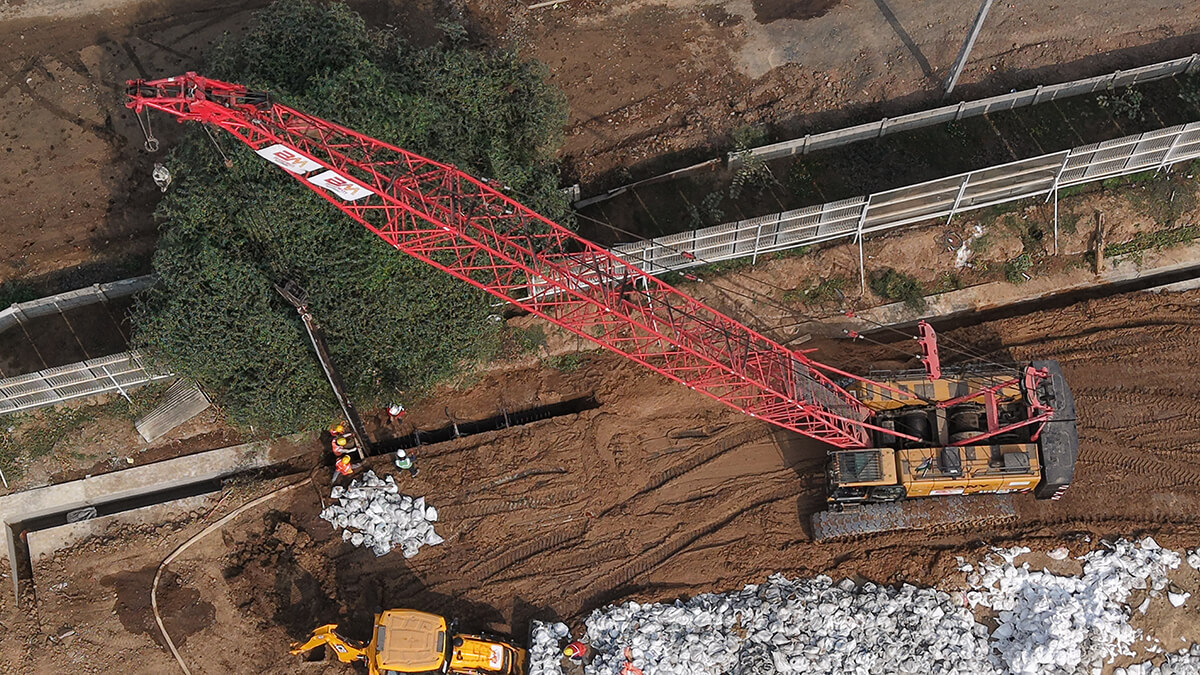
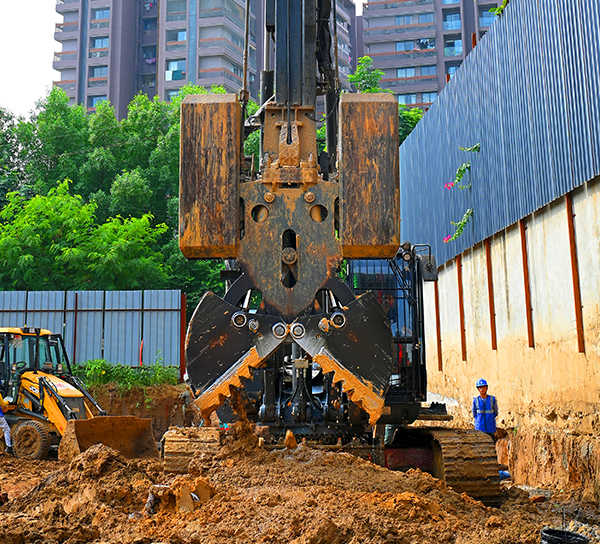
The excavation for the diaphragm wall trench starts with specialized equipment like hydraulic grabs and the clamshells that are mounted on crawler cranes. The trench’s dimensions are adjusted to ensure that the trench is in line with requirements of the design, such as length, width and even verticality. This is done in a precise and expert manner through a skilled diaphragm wall construction company.
Slurry Installation and Trench Stabilization
When excavation is progressing, the bentonite slurry constantly circulated in the trench, which helps to hold the surrounding soil and stop it from collapsing. It acts as a support fluid creating hydrostatic pressure on the wall of the trench to ensure its stability throughout excavation. The density and composition of the slurry must be closely monitored to guarantee optimal trench stability as well as to avoid flooding of groundwater in the trench.
Reinforcement Cage Installation
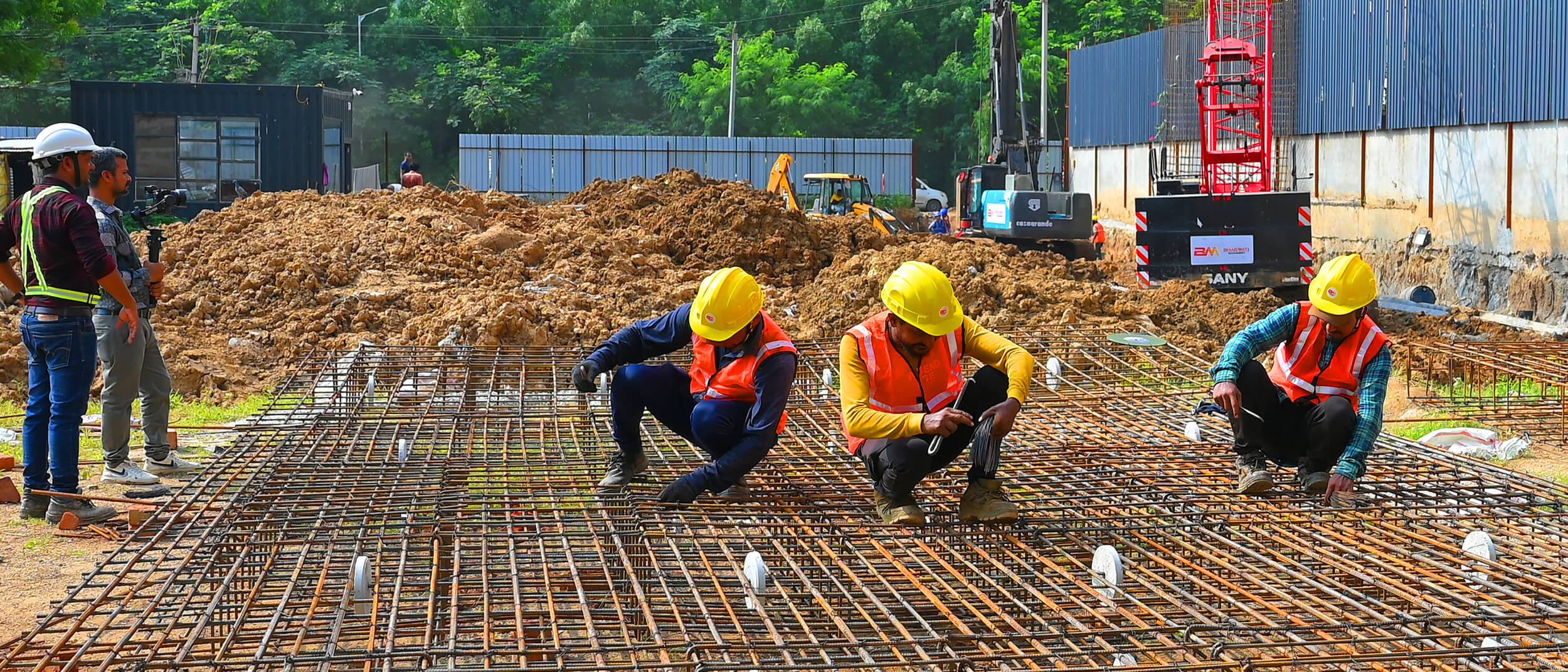
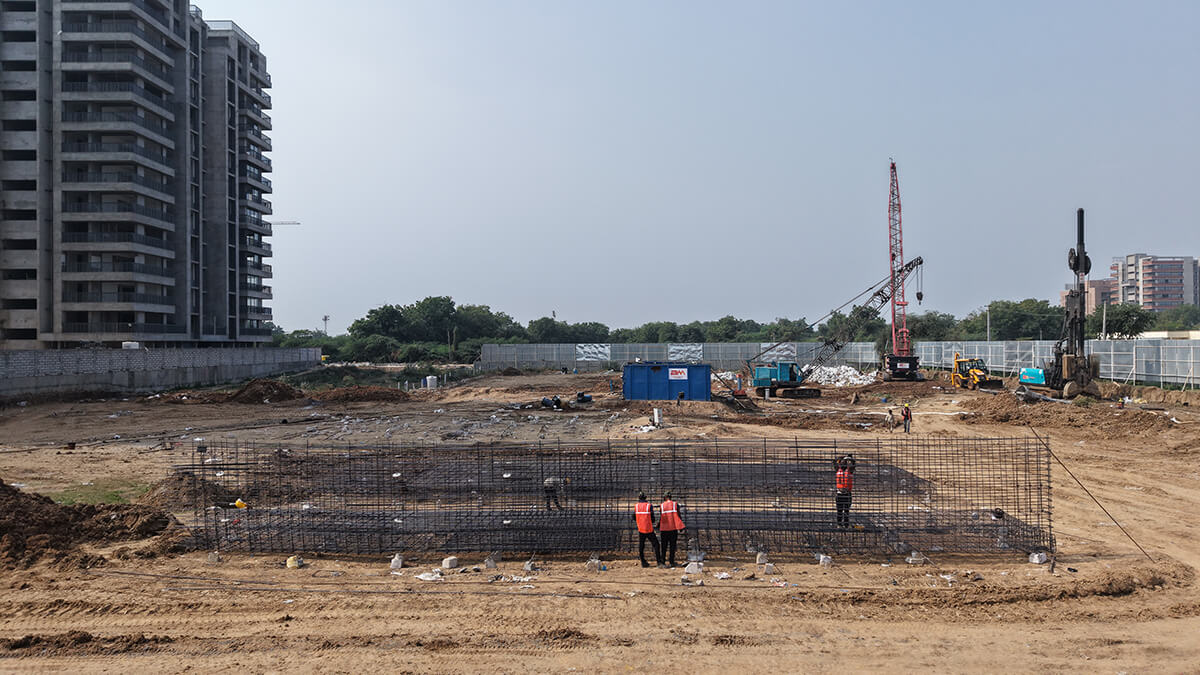
When the trench is at the desired depth, the steel reinforcement cages can be lowered into place. They are usually made of vertical and horizontal reinforcement bars, offer strength and structural stability to the basement diaphragm wall. The spacing and configuration of reinforcement bars are crafted to be able to handle the anticipated load as well as lateral earth pressures, as well as ensure proper embedding in the concrete.
Concrete Placement
After the reinforcement cages are their place, concrete installation begins with the use of specialized equipment, such as the tremie pipe or bottom-up methods. The concrete is and carefully poured in the trench from top down, dislodging bentonite slurry, and making sure that it is uniform in coverage of the entire trench. Vibrators can be utilized to strengthen the concrete and remove voids to ensure proper bonding between reinforcement bars and the concrete.
Panel Construction and Joint Formation
Diaphragm walls typically are made up of individual panels using construction joints between adjacent panels to make one continuous wall. Once the concrete is cured sufficient, the excavation is resumed to build the next section. Joints for construction are constructed to ensure that the bond is properly between the adjacent panels. This is usually done through roughening the concrete’s surface before using bonding agents or interlocking keys.
Quality Control and Testing
Through the diaphragm wall construction steps, strict quality control procedures are used to evaluate the components, techniques for construction and structural efficiency. Testing methods that are non-destructive, like ultrasonic testing integrity tests, as well as cross-hole sonic logging can be used to test the strength and integrity of the diaphragm’s wall. Defects and deviations will be quickly identified and rectified in order to make sure the design is in line with the specifications of the manufacturer and safety requirements.
Backfilling and Completion
After all the panels of the diaphragm wall are built and tested, backfilling processes begin to fill in the space within the wall. The backfill material to be used is selected in accordance with engineering standards as well as environmental factors, which ensure sufficient drainage and compacting in order to reduce pressures along the wall.
Following the completion of backfilling landscaping and restoration of the surface actions are performed to restore the site of construction in its initial condition. Expert piling contractors ensure that all finishing works are completed efficiently and in compliance with the standards of quality and specifications for the project.
Conclusion
Diaphragm wall construction steps require a number of exact actions that aim to achieve the structural integrity, stability and efficiency in deep excavation construction projects. From initial investigations to design to concrete installation and quality monitoring, each process plays a vital element in ensuring the successful completion of diaphragm wall construction projects.
When adhering to the most effective techniques, utilizing the latest construction methods and placing a high priority on the safety of their workers and ensuring quality, engineers and contractors are able to guarantee the speedy and effective completion of diaphragm wall constructions which meet the requirements of today’s infrastructure developments. Integration of ground anchor systems improves the structural stability as well as capacity to bear loads, ensuring vital support for excavations in deep and structures that are retaining in complicated construction tasks.
Bhagwati Machinery expertise in supplying top-quality concrete to construction projects and the process through diaphragm wall construction is fortified by the reliability and effectiveness. Through seamlessly Bhagwati Machinery’s top quality concrete with the intricate procedures in diaphragm wall construction in India engineers and contractors can improve their structural strength, guarantee durability, and improve efficiency in digging deep.