


Blog | 24 February 2026
What Are the Key Steps in Diaphragm Wall Construction?
Before getting into diaphragm wall construction steps let’s know more information about diaphragm wall construction. These are crucial components of numerous civil engineering works. They give structure stability and strength required when digging in depth. An understanding of the different techniques employed when building diaphragm walls is crucial for construction workers, engineers and contractors and other stakeholders.
This comprehensive guide, we will go over how to construct the diaphragm wall construction steps, and emphasize their significance and the intricateness.
Preliminary Investigations and Design
Before beginning diaphragm wall construction, thorough initial investigations are made to determine the soil’s the conditions and groundwater level and the structural needs. Geotechnical surveys, soil tests as well as structural analyses are conducted to establish the most suitable design parameters that will be used for building the diaphragm. The factors like the depth of excavations, earth pressures lateral to the lateral and constraints on the site will be considered in the planning phase in order to assure the strength and stability of the structure.
Site Preparation and Excavation
The site for construction is cleared by clearing the vegetation, trash and other obstructions which could hinder excavation work. Access roads as well as temporary structures for support are constructed to ease construction equipment and moving of construction workers.
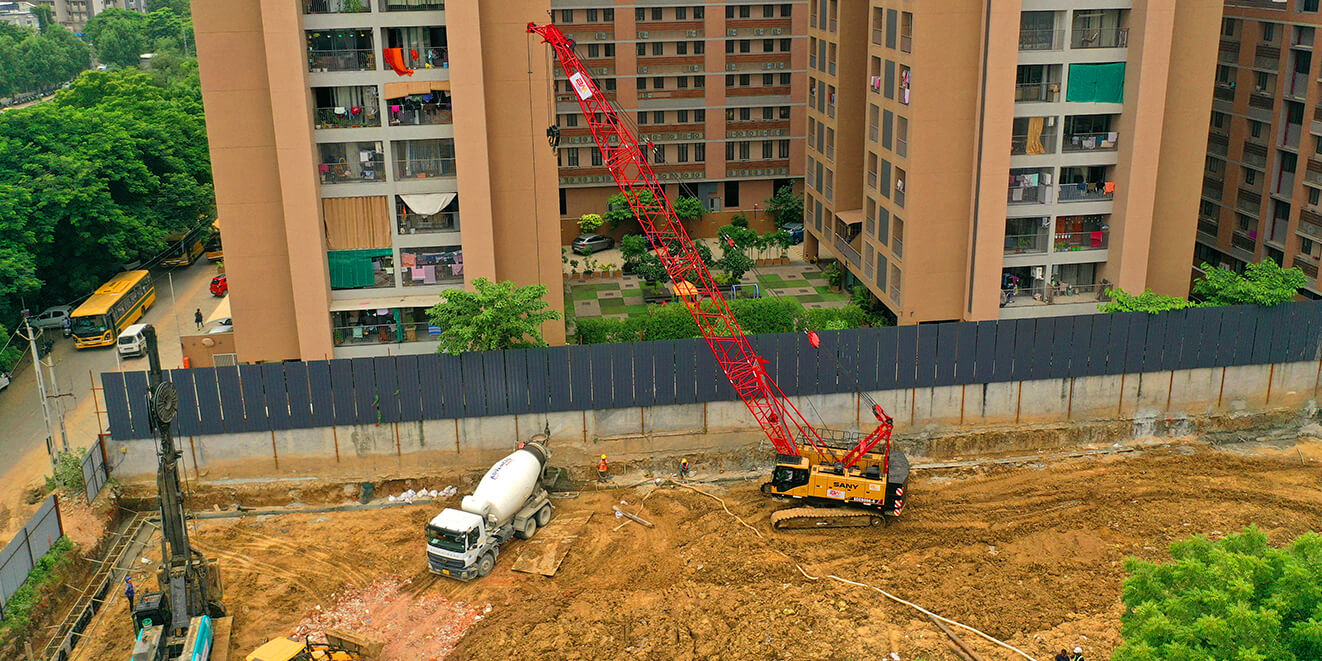
The excavation for the diaphragm wall trench starts with specialized equipment like hydraulic grabs and the clamshells that are mounted on crawler cranes. The trench’s dimensions are adjusted to ensure that the trench is in line with requirements of the design, such as length, width and even verticality. This is done in a precise and expert manner through a skilled diaphragm wall construction company.
Slurry Installation and Trench Stabilization
When excavation is progressing, the bentonite slurry constantly circulated in the trench, which helps to hold the surrounding soil and stop it from collapsing. It acts as a support fluid creating hydrostatic pressure on the wall of the trench to ensure its stability throughout excavation. The density and composition of the slurry must be closely monitored to guarantee optimal trench stability as well as to avoid flooding of groundwater in the trench.
Reinforcement Cage Installation
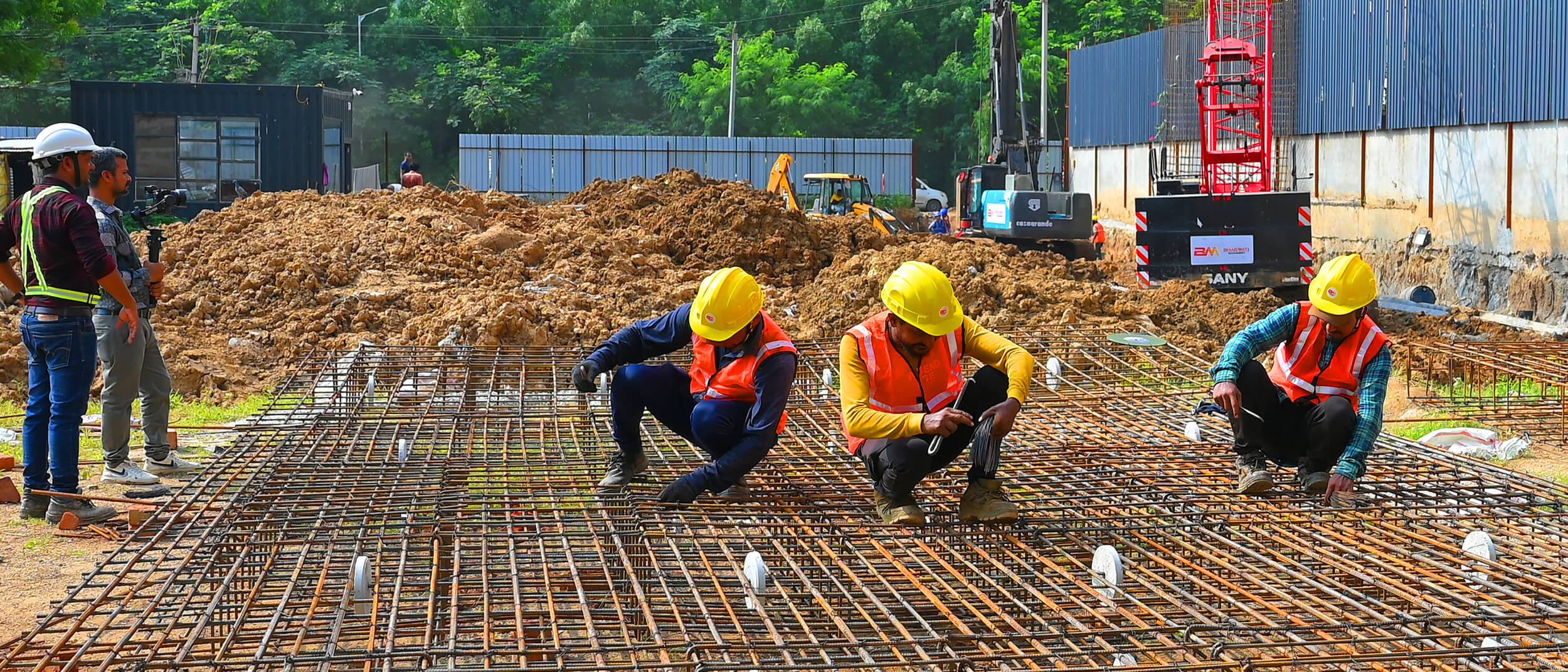
When the trench is at the desired depth, the steel reinforcement cages can be lowered into place. They are usually made of vertical and horizontal reinforcement bars, offer strength and structural stability to the basement diaphragm wall. The spacing and configuration of reinforcement bars are crafted to be able to handle the anticipated load as well as lateral earth pressures, as well as ensure proper embedding in the concrete.
Concrete Placement
After the reinforcement cages are their place, concrete installation begins with the use of specialized equipment, such as the tremie pipe or bottom-up methods. The concrete is and carefully poured in the trench from top down, dislodging bentonite slurry, and making sure that it is uniform in coverage of the entire trench. Vibrators can be utilized to strengthen the concrete and remove voids to ensure proper bonding between reinforcement bars and the concrete.
Panel Construction and Joint Formation
Diaphragm walls typically are made up of individual panels using construction joints between adjacent panels to make one continuous wall. Once the concrete is cured sufficient, the excavation is resumed to build the next section. Joints for construction are constructed to ensure that the bond is properly between the adjacent panels. This is usually done through roughening the concrete’s surface before using bonding agents or interlocking keys.
Quality Control and Testing
Through the diaphragm wall construction steps, strict quality control procedures are used to evaluate the components, techniques for construction and structural efficiency. Testing methods that are non-destructive, like ultrasonic testing integrity tests, as well as cross-hole sonic logging can be used to test the strength and integrity of the diaphragm’s wall. Defects and deviations will be quickly identified and rectified in order to make sure the design is in line with the specifications of the manufacturer and safety requirements.
Backfilling and Completion
After all the panels of the diaphragm wall are built and tested, backfilling processes begin to fill in the space within the wall. The backfill material to be used is selected in accordance with engineering standards as well as environmental factors, which ensure sufficient drainage and compacting in order to reduce pressures along the wall.
Following the completion of backfilling landscaping and restoration of the surface actions are performed to restore the site of construction in its initial condition. Expert piling contractors ensure that all finishing works are completed efficiently and in compliance with the standards of quality and specifications for the project.
Conclusion
Diaphragm wall construction steps require a number of exact actions that aim to achieve the structural integrity, stability and efficiency in deep excavation construction projects. From initial investigations to design to concrete installation and quality monitoring, each process plays a vital element in ensuring the successful completion of diaphragm wall construction projects.
When adhering to the most effective techniques, utilizing the latest construction methods and placing a high priority on the safety of their workers and ensuring quality, engineers and contractors are able to guarantee the speedy and effective completion of diaphragm wall constructions which meet the requirements of today’s infrastructure developments. Integration of ground anchor systems improves the structural stability as well as capacity to bear loads, ensuring vital support for excavations in deep and structures that are retaining in complicated construction tasks.
Bhagwati Machinery expertise in supplying top-quality concrete to construction projects and the process through diaphragm wall construction is fortified by the reliability and effectiveness. Through seamlessly Bhagwati Machinery’s top quality concrete with the intricate procedures in diaphragm wall construction in India engineers and contractors can improve their structural strength, guarantee durability, and improve efficiency in digging deep.